
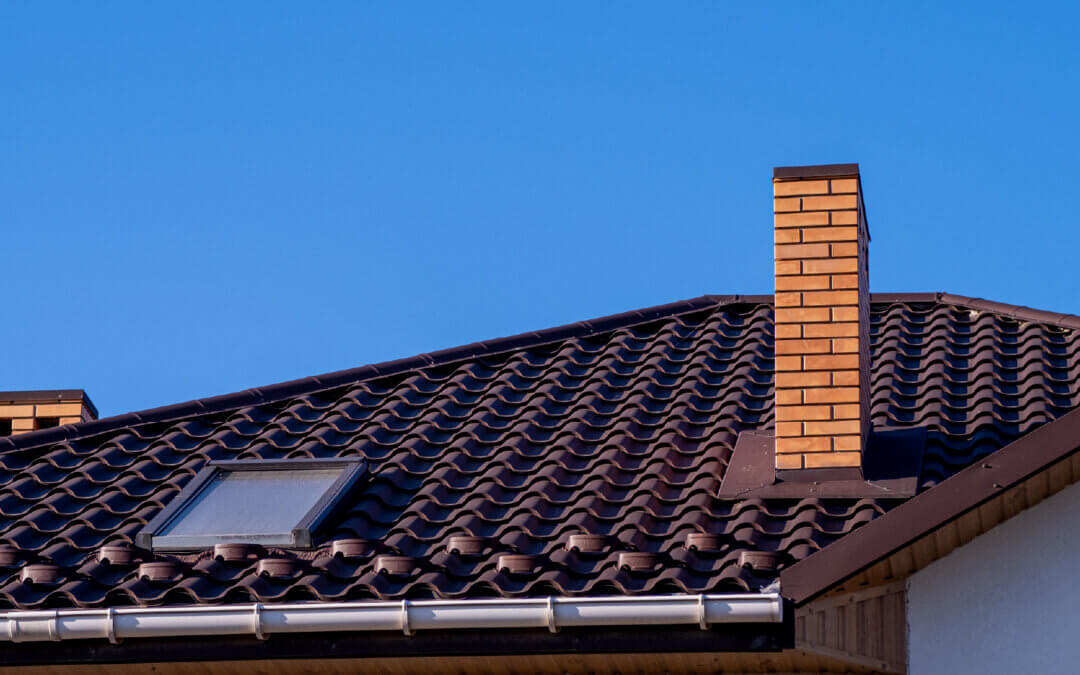
The Critical Role of Flashing
One of the most important elements of a durable roofing system is its flashing. Roof flashing protects the most vulnerable areas of your roof where water is most likely to enter your home or building. Whether you own a home or a commercial property, properly installed flashing plays a critical role in preventing leaks and water damage. Understanding how flashing works can help property owners recognize the importance of regular roof inspections and maintenance.
Roof flashing is a critical part of a roofing system that protects vulnerable areas of the roof from water intrusion.
What Is Roof Flashing?
Roof flashing is typically made from metal materials such as aluminum, galvanized steel, or copper. It is installed at key transition points on the roof to direct water away from seams, joints, and penetrations.
These transition areas include places where:
- Two roof sections meet
- A roof meets a wall
- A chimney or vent passes through the roof
- Valleys and edges collect water runoff
Flashing works by creating a waterproof barrier that guides water down the roof and into the drainage system. Without flashing, even high-quality roofing materials would allow water to seep into the structure.
Roof flashing is a metal barrier installed at roof joints, seams, and penetrations to redirect water away from vulnerable areas.
Residential Roof Flashing
For homeowners, flashing is essential for protecting areas where the roof design becomes more complex. These areas are naturally more vulnerable to water intrusion.
Common residential flashing locations include:
- Chimneys
- Dormers
- Skylights
- Roof valleys
- Roof-to-wall intersections
When flashing becomes damaged, water can leak into your attic, insulation, or drywall. Over time, this may lead to mold growth, wood rot, and interior ceiling damage. That said, routine roof inspections can help detect flashing issues before they turn into bigger problems.
Flashing protects complex areas of residential roofs, like chimneys, skylights, and valleys, where leaks are most likely to occur.
Commercial Roof Flashing
Flashing is just as important, if not more so, on commercial roofing systems. Flat and low-slope roofs often have more penetrations and mechanical equipment that require careful sealing.
Typical commercial flashing locations include:
- Parapet walls
- HVAC units
- Roof drains
- Skylights and vents
- Expansion joints
Because commercial roofs cover larger areas, even a small flashing failure can allow water to spread across insulation layers and decking. That’s why professional installation and maintenance are crucial for commercial buildings.
Commercial roofs rely heavily on flashing to seal around equipment, drains, and walls, preventing water from spreading across large roofing systems.
Types of Roof Flashing
Different parts of a roof require different flashing techniques. Some of the most common types include:
– Step Flashing
Installed where a roof meets a vertical wall. Each piece overlaps the shingle below it to guide water downward.
– Valley Flashing
Placed in roof valleys where two roof slopes meet. These areas handle large amounts of water runoff.
– Chimney Flashing
Combines several flashing components to seal the gap between the chimney and roofing materials.
– Drip Edge Flashing
Installed along roof edges to guide water into gutters and prevent damage to the fascia.
– Vent Pipe Flashing
Seals around plumbing vents and other roof penetrations.
Each type works together to create a complete waterproof system.
Different flashing types, such as step, valley, chimney, drip edge, and vent pipe, are used in specific areas to create a complete waterproof roofing system.
Signs Your Roof Flashing May Need Repair
Property owners should watch for signs that flashing may be damaged or failing.
Common warning signs include:
- Water stains on ceilings or walls
- Loose or rusted metal around roof penetrations
- Cracked sealant around vents or chimneys
- Visible gaps where flashing meets roofing materials
- Leaks during heavy rain
If you notice these issues, it’s important to have a professional inspect the roof before the damage spreads.
Signs of flashing damage include leaks, rusted metal, cracked sealant, water stains, or gaps around roof penetrations.
Professional Flashing Installation Makes a Difference
Flashing installation requires precision and experience. Improperly installed flashing is one of the most common causes of roof leaks.
Professional roofing contractors ensure:
- Correct flashing materials are used
- Seams and overlaps are properly sealed
- Flashing integrates with the roofing system
- Water is directed away from vulnerable areas
This attention to detail helps protect both residential homes and commercial buildings from long-term water damage.
Proper flashing installation by experienced professionals helps prevent leaks and ensures your roofing system works as designed.
Protect Your Roof with Expert Roofing Solutions
Flashing may not be the most visible part of your roof, but it plays one of the most important roles in protecting your property and extending the life of your roof. At Farha Roofing, our team provides expert roofing services for both residential and commercial properties, ensuring every component of your roof is installed and maintained correctly.
If you suspect flashing damage or want a professional inspection, contact our team today!
Properly installed flashing protects both residential and commercial roofs by keeping water out and extending the life of the entire roofing system.
FAQs
1. What is roof flashing?
Roof flashing is a thin metal material installed in specific areas on a roofing system to prevent water from entering vulnerable sections of the roof.
2. Why is flashing important?
Flashing prevents water from entering vulnerable sections of your roof, protecting your home and extending the life of your roof.
3. What materials are commonly used for roof flashing?
Roof flashing is typically made from aluminum, galvanized steel, or copper because these materials are durable and weather-resistant.
4. Where is roof flashing installed on a roof?
Flashing is installed in areas where leaks are most likely to occur. This includes around chimneys, skylights, vents, valleys, roof edges, parapet walls, and roof-to-wall intersections.
5. How can I tell if my roof flashing is damaged?
Signs of damaged flashing include roof leaks, water stains on ceilings, rusted metal, cracked sealant, or loose flashing pieces around roof penetrations.
6. Does roof flashing need maintenance or replacement?
Yes. Flashing should be inspected regularly during roof maintenance. Over time, it may loosen, rust, or deteriorate and may need repair or replacement to prevent leaks.
Recent Comments